
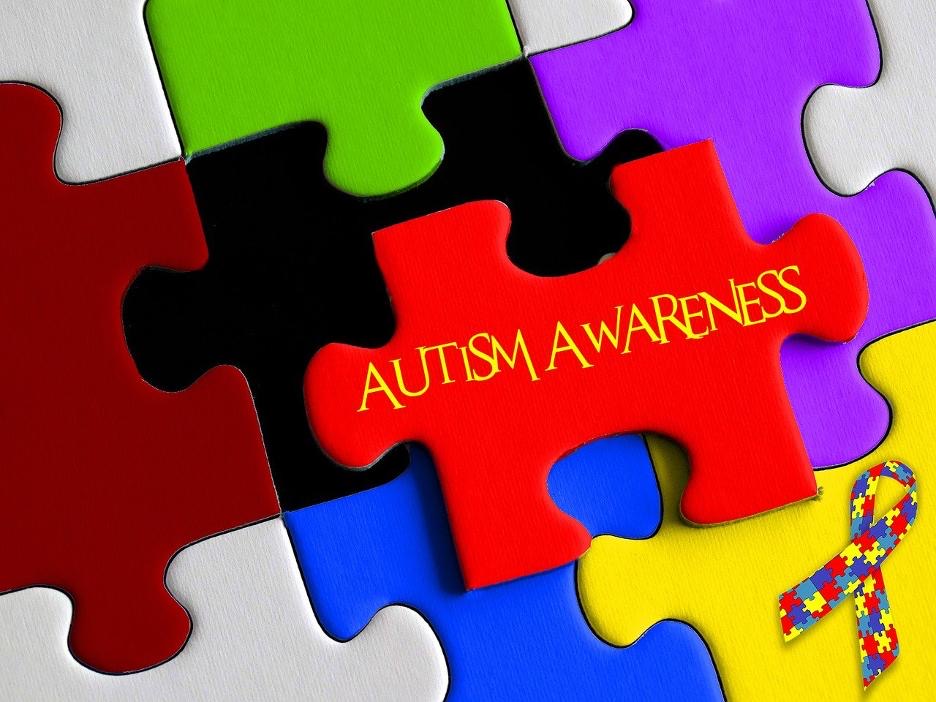
AUTISM SPEAKES: AUTISM AWARENESS

Often times , if and when a poll is conducted on the list of syndrome disorder. Autism will likely not make the top 10. One may think why this is so. The general assumption is that Autism education is around you. You would be shocked someone just reading about autism awareness from this post.

This is to let you know that unequal awareness and the acceptance of this reality and children living with this disorder is quite alarming. Though there seems to be some level of improvement in the society response to autism patient, many people are still in stark ignorance of exactly what autism is all about. This is why, at Autism spectrum disorder foundation we constantly keep you informed and abreast of latest information about autism and the best possible way to deal with it.

WHAT IS AUTISM?

Autism, also known as Autism spectrum disorder (ASD) is a neurological and developmental disorder which affects communication, social interaction and their general behavior.

Another thing to know is that, Autism is a spectrum disorder which means it affects individuals varying degrees and likewise in different ways. Interestingly, while some people with Autism may require significant support in their day-to-day living, others tends to need less support and may be able to live independently.

Of a gentle reminder is that, there is no known cause for Autism, although recent global research indicates that it is a combination of both genetic and environmental factors. There has also not being any cure for it but early diagnosis and intervention can significantly improve outcomes.

One of the myths of Autism that needs to be corrected is that Autism has nothing to do with or is as a result of poor parenting, personal upbringing and it is not a reflection of their intelligence or potential. Autism patients can lead fulfilling and meaningful life with acceptance, understanding and awareness at every stages.

CHALLENGES WITH AUTISM

1. Late Detection

One significant challenge in autism awareness is late detection. Many children with autism spectrum disorder (ASD) aren’t diagnosed early enough, missing crucial opportunities for intervention. Parents may not recognize early signs due to limited awareness among caregivers and healthcare providers. Increasing awareness about autism’s early signs and advocating for early screenings can reduce delayed diagnoses.

2. Living with Reality:

 A Message to parents raising children with autism, know you’re not alone. Living with autism means navigating daily challenges and joys that others may not fully understand. Celebrate your child’s unique strengths and needs, and create a supportive home environment that respects their sensory sensitivities and communication styles. Understanding your child’s individual needs is crucial for providing effective support.

3. Limited Financial Help

Financial constraints add stress for families raising children with autism. The costs of therapies and specialized education often exceed insurance coverage. Families must navigate various funding options, grants, and community resources to meet their child’s needs. Advocating for better financial support and accessing affordable therapies is crucial. Engage with local autism organizations and this what Autism spectrum disorder foundation does for parents with autism. ASDF help parents to stay informed about available grants and policy changes to alleviate financial burdens.

PUBLICITY – HOW TO PUBLICISE AUTISM BEYOND APRIL 2ND?

Autism awareness shouldn’t be limited to just one day, like World Autism Awareness Day on April 2nd. It’s a cause that deserves ongoing attention and advocacy throughout the year. Here are four effective ways to keep autism awareness in the public eye beyond April:

1. Engage in Community Events and Activities:

Participating in local community events and activities is a powerful way to keep autism awareness alive year-round. Organize or join walks, runs, or fundraisers dedicated to autism awareness. Collaborate with schools, businesses, and community centers to host workshops, seminars, or art exhibitions showcasing the talents and challenges of individuals with autism. By actively participating in these events, you not only raise awareness but also foster a sense of community support and inclusion.

2. Utilize Social Media and Online Platforms

 Another way to spread awareness of Autism is to harness the power of social media and online platforms to amplify autism awareness messages beyond April. Share personal stories, educational resources, and updates on autism research and advocacy efforts. Use hashtags such as #AutismAwareness, #AutismAcceptance, and #LightItUpBlue to connect with a broader audience. Encourage followers to share their own experiences and insights, creating a supportive online community that promotes understanding and acceptance.

3. Partner with Schools and Educational Institutions

Collaborate with schools and educational institutions to integrate autism awareness into their curriculum and activities throughout the year. Offer to conduct workshops for teachers, students, and parents on understanding autism and creating inclusive environments. Organize awareness campaigns within schools, such as themed days or assemblies, where students can learn about autism through interactive and engaging activities. By reaching out to educational institutions, you can promote long-term understanding and support for individuals with autism.

4.Advocate for Policy Changes and Support Programs

Advocacy plays a crucial role in sustaining autism awareness efforts beyond April. Get involved in advocacy groups and initiatives that work towards policy changes and better support programs for individuals with autism and their families. Write letters to legislators, participate in awareness campaigns, and attend town hall meetings to raise awareness about the needs and challenges faced by the autism community. By advocating for systemic changes and increased funding for autism research and support services, you contribute to creating a more inclusive and supportive society.

IMPORTANCE OF AUTISM AWARENESS

Autism awareness is crucial for fostering understanding, acceptance, and support for individuals on the autism spectrum. By raising awareness about autism, we educate society about the diversity of human cognition and behavior, promoting inclusivity and empathy. Awareness dispels myths and stereotypes, encouraging people to see beyond the diagnosis to recognize the unique strengths and challenges of each individual with autism.

Early detection through awareness leads to early intervention, which can significantly improve outcomes for children with autism. It empowers parents and caregivers with knowledge to recognize developmental signs early on, ensuring timely access to appropriate therapies and support services.  Moreover, increased awareness encourages communities to create environments that accommodate the sensory and communication needs of individuals with autism, fostering a more inclusive society where everyone can thrive.

Ultimately, autism awareness is not just about one day or month of recognition; it’s about creating lasting change in our attitudes, policies, and practices to ensure that individuals with autism are valued members of our communities, capable of achieving their full potential. And Autism Spectrum Disorder Foundation embodies all of this in all of their prepared programs , curated just for Autism patients and their loved ones.